
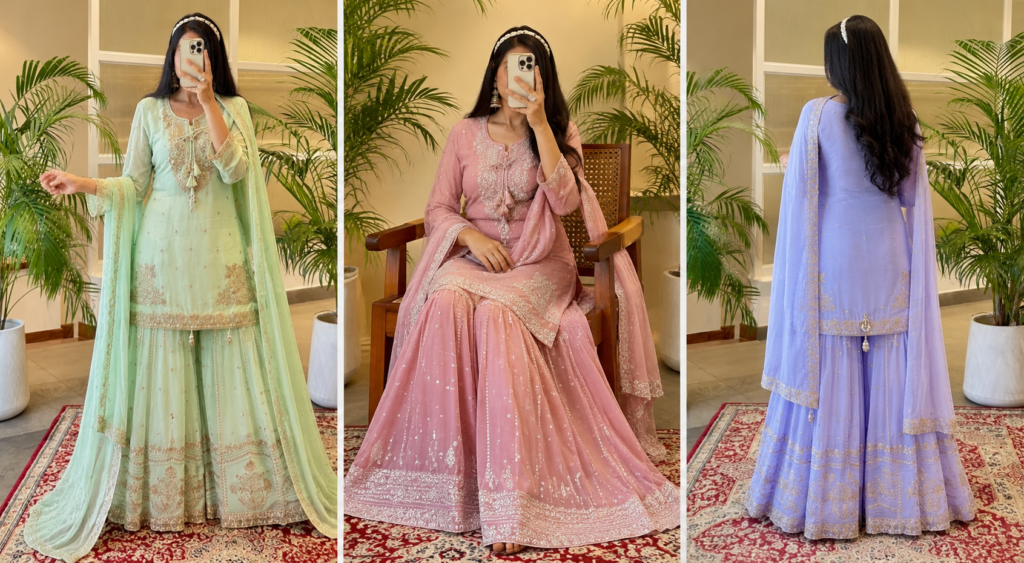
Walk into any wedding hall, festive gathering, or even a casual brunch this season, and you’ll notice something different about the colour palette. The deep reds, royal blues, and heavy maroons that once dominated Indian ethnic wear are sharing the spotlight with something softer — pastels. Mint green, blush pink, and lavender sharara sets are popping up everywhere, from real-life weddings to fashion influencers’ closets, and there’s a good reason this trend has caught on so quickly.
If you’ve been wondering whether pastel salwar suits are just a passing phase or a genuine style shift worth investing in, here’s everything that makes this trend worth your attention.
The Rise of Soft Tones in Ethnic Wear
For decades, festive Indian wear was synonymous with bold, saturated colours. Red was for weddings, yellow for haldi ceremonies, and green for mehendi functions. While these traditions still hold strong, designers and everyday shoppers alike have started embracing a quieter, more refined colour story — and pastels fit that mood perfectly.
Pastels work because they strike a balance. They feel festive enough for celebrations but aren’t overwhelming, making them suitable for daytime functions, intimate weddings, and even semi-formal events. A soft mint sharara set, for instance, photographs beautifully in natural light and doesn’t compete with elaborate venue décor the way a bright red outfit might.
There’s also a cultural shift happening. Many brides and guests today are choosing outfits that feel personal rather than purely traditional. Pastels allow people to stand out subtly, looking elegant without appearing as though they’re trying too hard.
Why Mint, Pink, and Lavender Specifically?
These three shades have become favourites for a few practical and aesthetic reasons:
Mint Green brings a refreshing, garden-party feel. It pairs beautifully with gold or silver embroidery, giving outfits a luxurious yet breezy look. It’s particularly popular for daytime mehendi or haldi functions where guests want something festive but not heavy.
Blush Pink has long been associated with romance and softness, making it a go-to for engagement ceremonies, sangeet functions, and even reception wear. Pink suits beautifully complement most Indian skin tones and look stunning under both natural daylight and warm indoor lighting.
Lavender is the newer entrant to the pastel family but has quickly become a favourite among younger brides and fashion-forward shoppers. It feels modern, slightly unconventional, and pairs exceptionally well with silver jewellery and pearl accents.
Together, these three shades represent a complete pastel wardrobe — versatile enough to cover almost every festive occasion on the calendar.
What Makes a Pastel Sharara Set Work
A well-designed pastel salwar suit typically follows a layered structure: a fitted kurta with detailed embroidery around the neckline and sleeves, paired with a flared sharara or gharara, and finished with a dupatta that carries matching or complementary border work.
The embroidery plays a crucial role here. Since the base fabric is light, designers often use gold zari, sequins, or delicate thread work to add dimension without overpowering the softness of the colour. Floral motifs along the hemline, scalloped borders, and tassel details on the neckline are common touches that elevate a simple pastel outfit into something special.
Fabric choice matters too. Georgette, chiffon, and organza are popular picks because they allow the sharara to flow gracefully, while also keeping the outfit lightweight and comfortable for long events.
Styling Tips for Pastel Salwar Suits
If you’re considering adding a pastel sharara set to your wardrobe, here are a few styling pointers:
- Keep jewellery proportionate. Since pastels are already soft, oversized gold jewellery can look mismatched. Pearl earrings, jhumkas with subtle stonework, or delicate layered necklaces tend to complement these outfits better.
- Use hair accessories to add structure. A simple hairband or bun with floral pins can balance the flowy nature of the outfit, especially for daytime events.
- Let the embroidery lead. If your outfit has heavy embroidery on the hemline, keep your footwear and bag minimal so the focus stays on the outfit’s detailing.
- Mix metallics thoughtfully. Silver works wonderfully with lavender and mint, while rose gold tends to complement pink shades particularly well.
- Consider the lighting of your venue. Pastels look luminous in natural daylight and warm indoor settings, so they’re ideal for daytime weddings, garden functions, or indoor receptions with soft lighting.
Who Should Try This Trend?
Pastel sharara suits aren’t limited to brides or bridesmaids. They work well for:
- Wedding guests who want to look festive without overshadowing the bride
- Engagement and sangeet functions where a softer palette feels appropriate
- Festive family gatherings like Diwali or Eid get-togethers
- Anyone who prefers a refined, photo-friendly look over heavily saturated colours
Because pastels are so versatile, they also transition well across age groups — a mint or lavender sharara set looks just as elegant on a younger guest as it does on an older family member, simply by adjusting the styling and accessories.
Final Thoughts
The popularity of mint, pink, and lavender salwar suits isn’t just about following a passing trend — it reflects a broader shift in how people are approaching festive dressing today. There’s a growing appreciation for outfits that feel elegant, comfortable, and personal rather than purely traditional or attention-grabbing.
Whether you’re attending a wedding this season or simply want to refresh your ethnic wardrobe, a well-tailored pastel sharara set is a safe yet stylish choice that’s likely to stay relevant for many seasons to come.
FAQs
Q1. Are pastel salwar suits suitable for weddings, or only for casual events?
Pastel salwar suits are absolutely suitable for weddings, especially daytime functions like mehendi, haldi, and engagement ceremonies. For evening wedding receptions, you can opt for pastel shades with heavier embroidery or sequin work to add the right amount of festive shine.
Q2. Which skin tones suit pastel colours like mint, pink, and lavender best?
Pastels are fairly universal and complement most skin tones. Warmer skin tones often look striking in blush pink and mint, while lavender tends to suit both warm and cool undertones beautifully. The key is choosing the right embroidery and contrast rather than worrying too much about skin tone matching.
Q3. What kind of jewellery goes best with pastel sharara suits?
Lighter, more delicate jewellery works best — think pearl sets, oxidised silver pieces, or jhumkas with subtle stonework. Avoid heavy, bright gold jewellery as it can overpower the softness of pastel outfits.
Q4. Can pastel salwar suits be worn in winter as well as summer?
Yes. While pastels are often associated with spring and summer due to their light, airy feel, they work equally well in winter when paired with richer fabrics like velvet dupattas or layered with a matching jacket or shawl for warmth.
Q5. How do I maintain the freshness of light-coloured ethnic wear?
Since pastel fabrics show stains more easily, it’s best to dry clean delicate fabrics like georgette and organza. Store them in breathable garment bags away from direct sunlight to prevent yellowing over time.
Q6. Is lavender a good choice for first-time pastel wearers?
Yes, lavender is a great starting point if you want something distinctive yet still soft. It pairs well with both gold and silver accents, making it flexible for various accessory choices and occasions.