
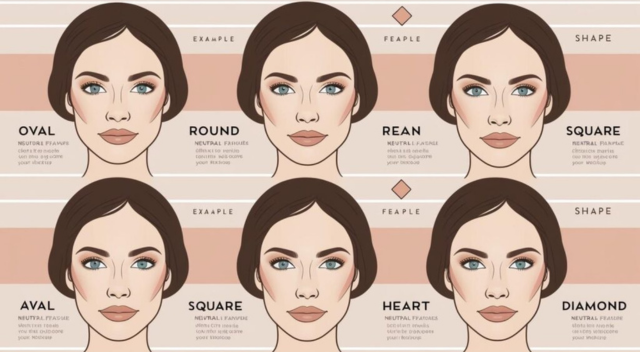
When it comes to makeup, there is no one-size-fits-all approach. Every face is unique, and understanding your face shape can help you apply makeup in a way that enhances your natural beauty. While trends come and go, the most flattering makeup techniques are often those that work with your facial structure rather than against it.
Many women spend time choosing the right foundation, lipstick, or eyeshadow but overlook one important factor—the shape of their face. Knowing whether you have an oval, round, square, heart, diamond, or oblong face can help you make smarter choices when it comes to contouring, blush placement, eyebrow shaping, and even eye makeup.
The good news is that makeup isn’t about changing your face shape. Instead, it’s about highlighting your best features, creating balance, and bringing attention to the areas you love most. With the right techniques, you can create a naturally flattering look that complements your unique facial structure.
In this guide, we’ll explore the most common face shapes, how to identify yours, and the best makeup tips for each shape. We’ll also answer frequently asked questions to help you build confidence in your beauty routine.
Why Face Shape Matters in Makeup
Your face shape influences how makeup appears once it’s applied.
Understanding your face shape can help you:
- Place blush correctly
- Apply contour more effectively
- Highlight key features
- Shape your eyebrows appropriately
- Create balanced proportions
- Enhance natural symmetry
Rather than following every makeup trend, tailoring your routine to your face shape often produces more flattering and natural-looking results.
How to Identify Your Face Shape
Before choosing makeup techniques, you’ll need to determine your face shape.
Stand in front of a mirror and pull your hair back.
Look at:
- Forehead width
- Cheekbone width
- Jawline shape
- Face length
You can also trace your face outline on a mirror with a washable marker or take a photo and observe the overall structure.
The six most common face shapes are:
- Oval
- Round
- Square
- Heart
- Diamond
- Oblong (or rectangular)
Let’s look at each one in detail.
Makeup Tips for Oval Face Shapes
An oval face is often considered the most balanced face shape.
Characteristics include:
- Slightly wider cheekbones
- Gently rounded jawline
- Balanced proportions
- Face length slightly greater than width
Because of its natural symmetry, oval faces can wear many different makeup styles successfully.
Contouring Tips
Minimal contouring is usually needed.
Apply contour lightly:
- Under cheekbones
- Along temples
- Beneath the jawline
The goal is subtle definition rather than reshaping.
Blush Placement
Apply blush on the apples of the cheeks and blend upward toward the temples.
This enhances natural facial balance.
Highlighting
Focus on:
- Top of cheekbones
- Bridge of nose
- Brow bone
- Cupid’s bow
Eyebrows
Softly angled brows complement oval faces beautifully.
Avoid extremely sharp or overly rounded shapes.
Makeup Tips for Round Face Shapes
Round faces generally feature:
- Similar width and length
- Soft jawline
- Full cheeks
- Rounded appearance
The goal is often to create additional definition and dimension.
Contouring Tips
Apply contour:
- Along the temples
- Under cheekbones
- Along the jawline
Blend upward to create a lifted appearance.
Blush Placement
Place blush slightly above the apples of the cheeks and blend diagonally toward the temples.
This helps elongate the face visually.
Highlighting
Apply highlighter:
- Center of forehead
- Nose bridge
- Top of cheekbones
This creates additional dimension.
Eyebrows
Higher arches can help create the illusion of length and structure.
Makeup Tips for Square Face Shapes
Square faces typically have:
- Strong jawlines
- Broad foreheads
- Angular features
- Similar width throughout the face
The goal is often to soften angles while maintaining natural definition.
Contouring Tips
Apply contour around:
- Jawline corners
- Temples
- Hairline
Blending thoroughly helps soften sharp edges.
Blush Placement
Apply blush slightly higher on the cheeks and blend outward.
This adds softness and balance.
Highlighting
Focus on:
- Center of forehead
- Cheekbones
- Nose bridge
Highlighting draws attention to the center of the face.
Eyebrows
Softly curved brows complement square face shapes particularly well.
Makeup Tips for Heart-Shaped Faces
Heart-shaped faces usually feature:
- Wider forehead
- Prominent cheekbones
- Narrow chin
- Tapered jawline
The objective is often to balance the upper and lower portions of the face.
Contouring Tips
Apply contour around:
- Forehead edges
- Temples
This can help visually reduce forehead width.
Blush Placement
Apply blush below the cheekbones and blend outward.
This helps balance facial proportions.
Highlighting
Focus on:
- Cheekbones
- Center of face
Avoid excessive highlighting on the forehead.
Eyebrows
Soft arches generally work best.
Overly dramatic brows can make the forehead appear wider.
Makeup Tips for Diamond Face Shapes
Diamond faces are characterized by:
- Wide cheekbones
- Narrow forehead
- Narrow jawline
- Angular structure
The goal is often to soften cheekbone prominence while enhancing balance.
Contouring Tips
Apply contour lightly beneath the cheekbones.
Avoid excessive contouring that may exaggerate angularity.
Blush Placement
Apply blush on the apples of the cheeks and blend gently outward.
This creates softness and harmony.
Highlighting
Highlight:
- Forehead center
- Chin
- Upper cheekbones
This helps balance facial proportions.
Eyebrows
Curved or softly arched brows tend to flatter diamond-shaped faces.
Makeup Tips for Oblong Face Shapes
Oblong faces are generally:
- Longer than they are wide
- Similar width throughout
- More rectangular in appearance
The goal is usually to create the illusion of width and balance.
Contouring Tips
Apply contour:
- Along the forehead
- Under the chin
This can visually shorten the face.
Blush Placement
Apply blush horizontally across the cheeks rather than blending upward.
This helps create width.
Highlighting
Focus mainly on the cheekbones.
Avoid excessive highlighting along the center of the face.
Eyebrows
Flatter brows often work well because they visually widen the face.
Universal Contouring Tips
Regardless of face shape, contour should appear natural.
Remember:
- Use cool-toned contour shades
- Blend thoroughly
- Build gradually
- Avoid harsh lines
Modern beauty trends favor soft definition over dramatic sculpting.
Universal Highlighting Tips
Highlighter works best when applied strategically.
Common highlighting areas include:
- Cheekbones
- Brow bones
- Nose bridge
- Cupid’s bow
- Inner eye corners
The key is subtle glow rather than excessive shine.
Blush Placement Matters
Blush placement can significantly influence facial appearance.
General guidelines include:
To Lift the Face
Apply blush higher on the cheeks.
To Add Softness
Focus on the apples of the cheeks.
To Create Width
Blend blush horizontally.
To Create Length
Blend blush upward toward the temples.
Small adjustments can create noticeable differences.
Eye Makeup for Different Face Shapes
While eye shape matters more than face shape, certain techniques complement specific facial structures.
Round Faces
Winged eyeliner can help create elongation.
Square Faces
Soft, blended eyeshadow looks add balance.
Heart-Shaped Faces
Balanced eye makeup works best.
Oval Faces
Most eye makeup styles are flattering.
Oblong Faces
Horizontal eyeshadow techniques can create width.
Diamond Faces
Soft smoky eyes complement angular features beautifully.
Lip Makeup and Face Shape
Lip makeup can also influence facial balance.
Round Faces
Defined lip lines can add structure.
Heart Faces
Balanced lip color complements facial proportions.
Square Faces
Soft lip edges can create a gentler appearance.
Oblong Faces
Glossy lips can add fullness and width.
Ultimately, lip choices should reflect personal style and comfort.
Common Makeup Mistakes for Different Face Shapes
Avoid these common mistakes:
Over-Contouring
Too much contour can appear unnatural.
Following Trends Blindly
Not every viral makeup trend suits every face shape.
Ignoring Facial Balance
The goal should always be harmony and enhancement.
Skipping Blush
Blush adds life and dimension to the face.
Using Harsh Lines
Modern makeup favors soft blending and natural transitions.
How to Enhance Your Natural Features
The best makeup isn’t about changing who you are.
Instead:
- Highlight features you love
- Create subtle balance
- Work with your natural structure
- Focus on healthy-looking skin
- Embrace your individuality
Every face shape has its own beauty and strengths.
Understanding your facial structure simply helps you enhance those strengths more effectively.
Modern Makeup Trends and Face Shapes
In 2026, beauty trends emphasize:
- Natural skin
- Soft contouring
- Cream products
- Personalized makeup
- Individual expression
Rather than chasing perfection, modern beauty celebrates uniqueness and authenticity.
This shift encourages women to embrace their natural features rather than trying to conform to a single beauty standard.
FAQs About Makeup for Face Shapes
Why is face shape important in makeup?
Face shape influences how contour, blush, highlight, and other makeup techniques appear on the face.
How can I determine my face shape?
Observe your forehead, cheekbones, jawline, and overall facial proportions in a mirror or photograph.
Which face shape is considered ideal?
There is no perfect face shape. Every face shape has unique features that can be beautifully enhanced with makeup.
Do I need contour if I have an oval face?
Usually only minimal contouring is needed because oval faces naturally have balanced proportions.
What blush placement is best for round faces?
Applying blush higher on the cheeks and blending toward the temples helps create definition.
Can makeup change my face shape?
Makeup can create the illusion of different proportions, but it does not actually change your face shape.
Is contouring necessary for everyday makeup?
Not necessarily. Many women prefer soft, natural makeup without contouring.
Which eyebrow shape suits most faces?
Softly angled brows tend to complement a wide variety of face shapes.
What is the biggest makeup mistake people make?
Over-applying contour and failing to blend products properly.
Should I follow face shape rules exactly?
No. These guidelines are helpful suggestions, but personal preference and individual features should always come first.
Final Thoughts
Understanding your face shape can transform the way you approach makeup. Instead of relying solely on trends, you can use techniques that work specifically for your unique facial structure. Whether you have an oval, round, square, heart, diamond, or oblong face, the goal is not to change your appearance but to enhance the features that make you unique.
By adjusting contour placement, blush application, highlighting techniques, and eyebrow shapes, you can create a balanced and flattering makeup look that feels natural and confident. The most beautiful makeup is not about perfection—it’s about bringing out your best features while staying true to yourself.
As beauty trends continue to evolve in 2026, one thing remains constant: confidence is always the most attractive feature. When you understand your face shape and use makeup to celebrate it, you create a look that is both timeless and uniquely your own.