
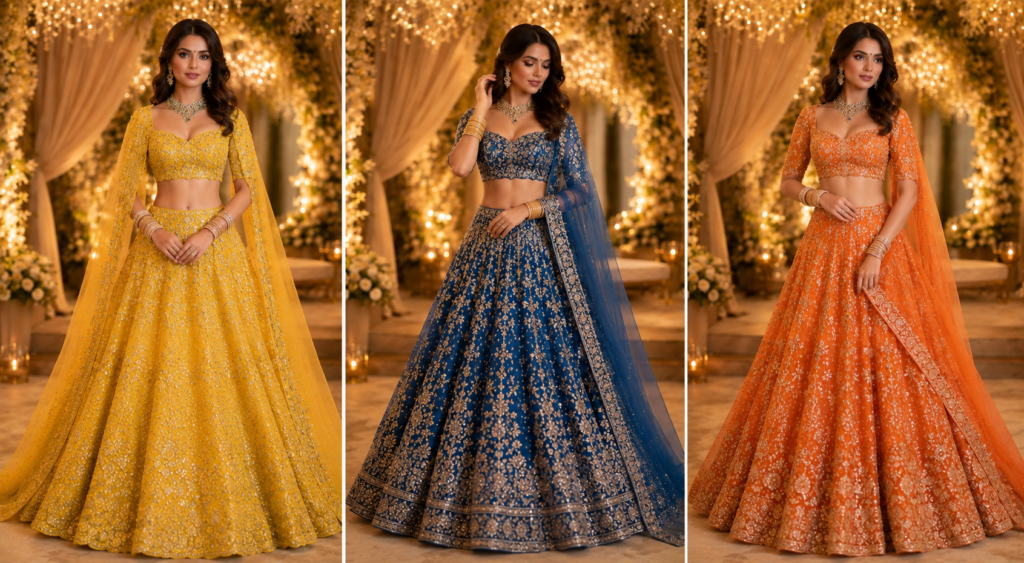
There is something truly magical about wearing a lehenga choli at a wedding. The flare of the skirt as you walk, the intricate embroidery catching the light, the dupatta draped just right — it is an experience that no other outfit quite matches. Lehenga cholis have long been the go-to choice for brides and wedding guests across India, and in 2026, designers are pushing the boundaries of what this classic ensemble can look like.
Whether you are a bride searching for your dream look, a bridesmaid wanting to coordinate beautifully, or a guest hoping to stand out for all the right reasons, this guide has everything you need. From the season’s hottest colors to styling tips that actually work, read on to discover how to choose and wear a designer lehenga choli like a true fashion insider.
What Makes a Lehenga Choli “Designer”?
A designer lehenga choli is distinguished by the quality of its craftsmanship, the fabric used, and the level of detail in its embellishment. Unlike mass-produced pieces, designer lehengas are often handcrafted with traditional techniques such as zardozi, gota patti, resham embroidery, or mirror work — each stitch placed with intention.
In 2026, the definition of designer has also expanded to include thoughtful fabric pairing, unique color combinations, and silhouettes that combine heritage aesthetics with contemporary design. The result is a range of lehengas that feel both rooted in tradition and excitingly modern.
Top Lehenga Choli Trends for Weddings in 2026
This season’s wedding fashion is vibrant, bold, and unapologetically celebratory. Here are the trends that are defining bridal and wedding guest fashion right now.
- Vibrant Jewel Tones with All-Over Embroidery: Rich shades like royal blue, mustard yellow, and deep orange covered entirely in sequin, thread, or stonework embroidery are having a major moment. The all-over embellishment technique, where even the base fabric is barely visible beneath the densely worked surface, creates a regal, eye-catching look ideal for evening wedding functions.
- Flared Lehenga with Cape Choli: A dramatic, fully flared skirt paired with a cape-style choli is one of the most requested silhouettes this year. The cape adds a modern twist to a traditional look and works beautifully for reception and sangeet nights.
- Sweetheart Neckline Cholis: Deep sweetheart necklines are dominating bridal and bridesmaid lehenga sets. They frame the collarbone and neck elegantly, allowing statement jewelry to shine while keeping the overall look glamorous and refined.
- Dupatta as a Statement Piece: Rather than an afterthought, the dupatta in 2026 is being styled as a key design element. Net dupattas with embroidered borders, ombre-dyed dupattas, and even double dupattas are being used to add drama and dimension to the overall look.
- Layered and Ruffle Skirts: Multi-layered lehenga skirts with cascading ruffles at the hem are trending for daytime functions. They add movement and volume without requiring extremely heavy fabric, making them more comfortable to wear for extended periods.
- Monochrome Sets with Tonal Work: Dressing the choli, lehenga, and dupatta in the same shade with tone-on-tone embroidery creates a cohesive, sophisticated look that photographs exceptionally well.
Colors That Are Trending for Wedding Lehengas This Season
Color choice is one of the most personal decisions when picking a lehenga, but knowing which shades are having a fashion moment can help narrow things down. Here are the standout colors of the 2026 wedding season.
- Mustard and Golden Yellow: Bright, warm, and absolutely festive, mustard and golden yellow lehengas are dominating mehndi and haldi functions as well as evening events. Gold zari work on yellow fabric creates a luminous, sun-kissed effect that photographs beautifully in both daylight and artificial lighting.
- Royal and Cobalt Blue: Blue is making a powerful statement at weddings this year. Rich, saturated blue lehengas with gold embroidery have a majestic quality that suits both brides and wedding guests looking for an alternative to traditional reds and pinks.
- Burnt Orange and Tangerine: Orange lehengas are joyful, bold, and unexpectedly versatile. Warm-toned complexions glow in this shade, and the color pairs beautifully with gold, copper, and antique jewelry.
- Deep Red and Crimson: Classic red remains a bridal favorite, particularly for the wedding ceremony itself. Contemporary versions incorporate intricate hand embroidery, 3D floral details, and contrasting blouse designs that modernize the traditional look.
- Dusty Rose and Blush: For brides and guests who prefer softer, more romantic palettes, blush and dusty rose lehengas offer quiet elegance. They pair beautifully with pearl and polki jewelry for a timeless, understated bridal aesthetic.
How to Choose the Right Lehenga Choli for Your Body Type
- Petite Frames: A lehenga with a high waistband and a single-layered skirt without too much volume at the hem helps elongate the frame. Pair with a shorter choli to create the illusion of longer legs.
- Curvy Figures: A-line and flared lehenga skirts distribute volume evenly and are universally flattering. Avoid very stiff fabrics and opt for softer, flowing ones like georgette that move with the body rather than away from it.
- Tall and Slim Frames: You can carry off heavier fabrics, wider borders, and more voluminous silhouettes with ease. Silk, velvet, and heavily embellished skirts look stunning on taller frames.
- Hourglass Figures: Almost any silhouette works for an hourglass frame. Focus on a well-fitted choli that cinches at the waist and a flared skirt that highlights the hip-to-waist ratio.
Styling Tips to Complete Your Lehenga Choli Look
- Match Your Jewelry to the Embroidery Style: If your lehenga features gold zari work, choose polki, Kundan, or gold jewelry to tie the look together. Silver jewelry works beautifully with lighter pastel shades and mirror-work lehengas.
- Get the Choli Fitted Professionally: A lehenga choli only looks its best when the choli fits perfectly. Even a beautifully embellished skirt loses its impact with a poorly fitting blouse. Always invest in a professional tailor for final adjustments.
- Choose Your Footwear Wisely: Given the weight and length of most bridal lehengas, embellished block heels or wedge heels offer far more comfort than stilettos for long wedding functions. Match the metallic tone of your footwear to your jewelry.
- Layer Your Dupatta with Purpose: A dupatta draped over both shoulders creates a regal, bridal feel. A single-shoulder drape is more casual and works beautifully for sangeet or reception nights.
- Keep Hair and Makeup in Balance: If your lehenga choli is heavily embellished, let it take center stage and keep makeup relatively clean. A classic bun with flowers or a low pulled-back style prevents the look from feeling overcrowded.
- Accessorize the Waist: A kamarbandh or waistband adds a traditional touch and helps define the waist, particularly for skirts with a lower or relaxed waistline.
Fabric Guide: Which Lehenga Fabric Works Best for Weddings?
- Silk: Luxurious and structured, silk lehengas have a natural sheen that looks stunning in photographs and under evening lighting. Best for formal wedding ceremonies.
- Net and Tulle: Lightweight and ideal for heavily embellished lehengas that might otherwise feel too heavy. Great for reception and sangeet functions where movement and comfort matter.
- Georgette: Soft, flowy, and easy to move in. Georgette lehengas are a comfortable yet elegant choice for daytime functions and warmer climates.
- Velvet: Reserved for cooler months, velvet lehengas have a rich, opulent quality that makes a powerful statement at winter weddings.
- Organza: Crisp, structured, and light, organza lehengas hold their shape beautifully and are popular for both summer and destination weddings.
Conclusion
A designer lehenga choli is more than just a wedding outfit. It is a memory, an experience, and an expression of who you are. Whether you choose a vibrant mustard yellow flared lehenga for a mehndi function, a regal cobalt blue ensemble for the reception, or a timeless red and gold set for the ceremony itself, the most important thing is that you feel beautiful, comfortable, and completely yourself.
Take time to try different silhouettes, experiment with color, and invest in proper tailoring. A well-chosen, well-fitted lehenga choli will have you walking into every wedding function with the kind of confidence that turns heads and creates moments worth remembering.
FAQs
Q1. What is the difference between a bridal lehenga and a regular designer lehenga?
A bridal lehenga is typically more heavily embellished, uses richer fabrics, and is designed specifically for the bride’s wedding functions. It often features denser embroidery, a longer trail or skirt flare, and is crafted for a once-in-a-lifetime occasion. A designer lehenga for guests or bridesmaids may be equally beautiful but is generally lighter in embellishment and designed for repeated wear.
Q2. What are the most popular colors for wedding lehenga cholis in 2026?
Mustard yellow, royal blue, burnt orange, deep red, and blush pink are among the most popular wedding lehenga colors this season. Jewel tones with all-over embroidery and bold, saturated shades are particularly on trend for evening and reception functions.
Q3. How much should I budget for a designer lehenga choli?
Designer lehenga cholis vary widely in price depending on the brand, fabric, and level of handwork involved. Semi-designer options with machine embroidery can be found at more accessible price points, while couture lehengas with extensive handwork can be significantly more expensive. Setting a clear budget before shopping and prioritizing quality of fit and fabric is the best approach.
Q4. Which lehenga silhouette is the most flattering for all body types?
A-line and gently flared lehenga skirts are considered the most universally flattering silhouette as they define the waist, flow outward gracefully, and suit a wide range of body types. Pairing them with a well-fitted sweetheart or V-neck choli further enhances the overall look.
Q5. Can a lehenga choli be worn for functions other than the wedding ceremony?
Absolutely. Lehenga cholis are versatile enough for mehndi, haldi, sangeet, engagement, and reception functions. Choosing the right color, fabric, and embellishment level for each function ensures the outfit feels appropriate and special for every occasion.
Q6. How do I care for and store a designer lehenga choli after the wedding?
Dry cleaning is strongly recommended for embellished lehengas to protect the fabric and embroidery. After cleaning, store the lehenga in a breathable muslin cover rather than a plastic garment bag, and avoid hanging very heavy skirts for long periods as it can distort the fabric. Keep in a cool, dry place away from direct sunlight.
Q7. What jewelry pairs best with a heavily embroidered lehenga choli?
For heavily embroidered lehengas, statement jewelry that complements rather than competes with the outfit works best. Polki, Kundan, or jadau jewelry in matching tones pairs beautifully. If the lehenga itself carries a lot of detail, keep the neckline jewelry moderate and focus on ear cuffs, jhumkas, or statement earrings instead.
Q8. How early should I start shopping for a wedding lehenga?
It is recommended to start shopping for a bridal or designer lehenga at least three to four months before the wedding. This gives adequate time for trials, alterations, blouse stitching, and any customization. For couture pieces, some designers require six months or more of lead time.