
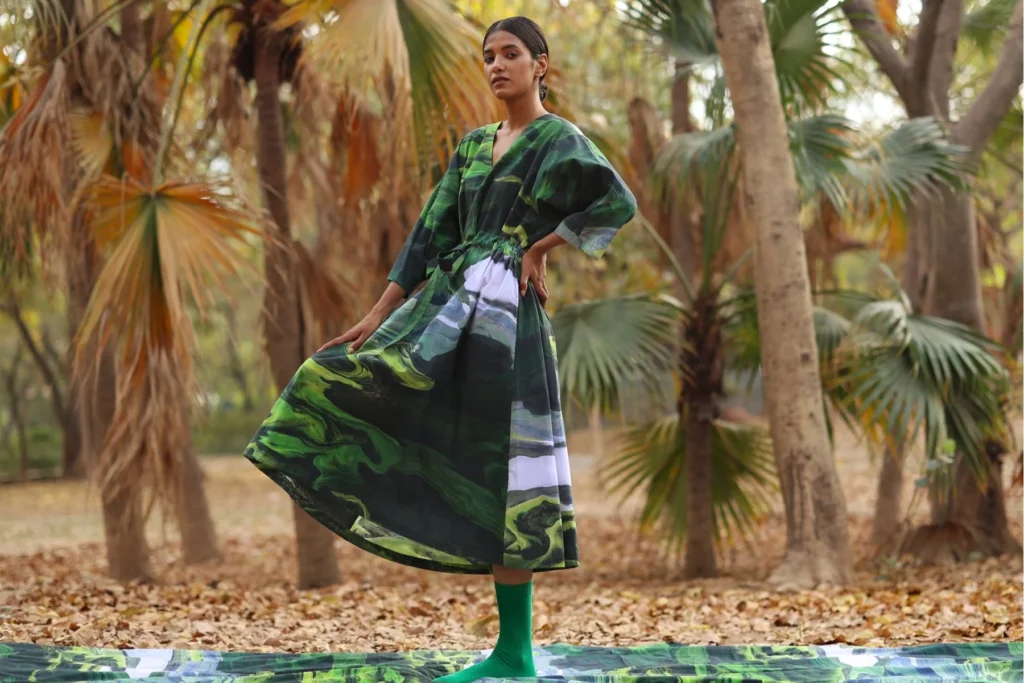
Every year, World Environment Day reminds us that protecting the planet requires action from governments, businesses, communities, and individuals alike. While discussions about climate change often focus on energy, transportation, and waste management, one industry that significantly impacts the environment is fashion.
The clothes we wear every day may seem harmless, but the global fashion industry is one of the world’s largest consumers of water, energy, and natural resources. From the cultivation of raw materials to manufacturing, transportation, packaging, and disposal, every stage of a garment’s journey leaves an environmental footprint.
As World Environment Day 2026 encourages people to adopt more sustainable lifestyles, many consumers are asking an important question: Can your outfit actually help save the planet?
The answer is more complex than a simple yes or no. While no single outfit can solve environmental challenges, conscious fashion choices can collectively make a meaningful difference. By supporting sustainable practices, reducing waste, and investing in quality clothing, consumers can contribute to a healthier future for the planet.
Why Fashion Matters in Environmental Conversations
Fashion is often viewed as a form of self-expression, creativity, and culture. However, it is also a massive global industry with significant environmental impacts.
The fashion sector influences:
- Water consumption
- Energy use
- Carbon emissions
- Textile waste
- Resource extraction
- Chemical pollution
As awareness grows, sustainability is becoming one of the most important trends shaping the future of fashion.
Understanding Fast Fashion
To understand sustainable fashion, it is important to understand fast fashion.
What Is Fast Fashion?
Fast fashion refers to the rapid production of inexpensive clothing designed to follow short-lived trends.
Characteristics include:
- Frequent new collections
- Low-cost production
- High consumption rates
- Short garment lifespans
While fast fashion makes trends more accessible, it often encourages overconsumption and excessive waste.
The Environmental Cost of Clothing
Every garment requires resources to produce.
Water Usage
Many fabrics require substantial amounts of water during cultivation and manufacturing.
Energy Consumption
Factories, transportation systems, and production facilities consume large amounts of energy.
Textile Waste
Millions of garments are discarded each year.
Packaging Waste
Plastic packaging contributes to environmental challenges.
Chemical Processing
Dyes and treatments can impact ecosystems if not managed responsibly.
These factors highlight why fashion has become part of sustainability discussions worldwide.
What Is Sustainable Fashion?
Sustainable fashion focuses on reducing environmental and social impacts throughout a garment’s life cycle.
Key Principles Include
- Responsible production
- Durable design
- Ethical labor practices
- Reduced waste
- Resource efficiency
- Long-term use
Rather than constantly replacing clothing, sustainable fashion encourages thoughtful consumption.
Can One Outfit Really Make a Difference?
A single outfit may seem insignificant compared to global environmental challenges.
However, individual choices influence larger systems.
When consumers choose:
- Higher-quality garments
- Longer-lasting pieces
- Sustainable materials
- Ethical brands
- Responsible shopping habits
They contribute to growing demand for more sustainable industry practices.
Collective action often begins with individual decisions.
Why Quality Matters More Than Quantity
One of the simplest ways to reduce fashion-related waste is to buy fewer, better garments.
Benefits of Quality Clothing
- Longer lifespan
- Better durability
- Improved comfort
- Timeless style
- Reduced replacement frequency
A well-made outfit worn repeatedly often has a lower environmental impact than several poorly made alternatives.
Sustainable Fabrics Gaining Popularity in 2026
Fabric selection plays an important role in sustainability.
Organic Cotton
Produced with environmentally conscious farming practices.
Linen
A durable and naturally breathable fabric.
Hemp
Known for its strength and low resource requirements.
Tencel and Lyocell
Created from wood-based fibers using efficient manufacturing processes.
Recycled Materials
Help reduce waste and resource consumption.
Handwoven Textiles
Often support traditional craftsmanship and slower production methods.
These fabrics are becoming increasingly popular among environmentally conscious consumers.
The Rise of Slow Fashion
Slow fashion is often considered the opposite of fast fashion.
What Slow Fashion Promotes
- Thoughtful purchasing
- Quality craftsmanship
- Timeless designs
- Reduced consumption
- Sustainable production
Rather than chasing every trend, slow fashion encourages building a wardrobe designed to last.
Why Timeless Style Is More Sustainable
Trends come and go quickly.
Timeless fashion remains relevant for years.
Examples include:
- Classic sarees
- Tailored blazers
- Neutral dresses
- Well-made shirts
- Traditional handloom garments
Investing in versatile pieces can reduce the need for frequent replacements.
The Environmental Benefits of Rewearing Outfits
One of the most sustainable fashion practices is simply wearing clothes more often.
Why Rewearing Matters
It helps:
- Reduce demand for new production
- Lower resource consumption
- Extend garment lifespan
- Minimize textile waste
The idea that outfits should only be worn once is gradually being replaced by a more practical mindset.
Renting and Borrowing Fashion
Fashion rental services continue to grow in popularity.
Advantages
- Access to special occasion wear
- Reduced clothing waste
- Lower consumption
- Cost savings
Renting can be particularly useful for weddings, parties, and events where outfits may not be worn frequently.
Supporting Local and Artisanal Fashion
Many consumers are rediscovering the value of local craftsmanship.
Benefits include:
- Supporting traditional skills
- Encouraging small businesses
- Preserving cultural heritage
- Promoting responsible production
Handcrafted garments often reflect a slower and more thoughtful approach to fashion.
The Role of Circular Fashion
Circular fashion focuses on keeping clothing in use for as long as possible.
Common Practices
- Repairing garments
- Reselling clothing
- Upcycling fabrics
- Recycling materials
- Donating wearable items
These approaches reduce waste and maximize the value of existing resources.
Building a Sustainable Wardrobe
Creating a more sustainable wardrobe does not require replacing everything immediately.
Practical Steps
Buy Less
Focus on intentional purchases.
Choose Versatile Pieces
Select garments that work across multiple occasions.
Prioritize Quality
Look for durable construction.
Care for Clothing Properly
Follow maintenance instructions.
Avoid Impulse Purchases
Think long-term before buying.
Small changes can have meaningful impacts over time.
Sustainable Fashion and Indian Traditional Wear
Traditional Indian clothing often aligns naturally with sustainability principles.
Examples include:
- Handloom sarees
- Khadi garments
- Handwoven textiles
- Artisan-made outfits
- Heritage fabrics
These garments frequently emphasize craftsmanship, durability, and cultural value.
Technology’s Role in Sustainable Fashion
Innovation continues to shape the future of the industry.
Emerging developments include:
- Eco-friendly dyes
- Digital design tools
- Recycling technologies
- Resource-efficient manufacturing
- Supply chain transparency
Technology may help reduce environmental impacts while maintaining quality and creativity.
Common Myths About Sustainable Fashion
Myth 1: Sustainable Fashion Is Always Expensive
While some products cost more upfront, durability can provide long-term value.
Myth 2: Sustainable Clothing Is Boring
Modern sustainable fashion offers a wide variety of stylish options.
Myth 3: One Person Can’t Make a Difference
Consumer choices influence market demand and industry behavior.
Myth 4: Sustainability Requires Perfection
Progress matters more than perfection.
Small improvements are valuable.
How Fashion Consumers Can Make Better Choices
Before purchasing an outfit, consider:
Do I Really Need It?
Thoughtful buying reduces unnecessary consumption.
Will I Wear It Often?
Versatile garments offer greater value.
Is It Well Made?
Quality extends product lifespan.
Can It Be Styled Multiple Ways?
Flexibility improves wardrobe efficiency.
Does It Align With My Values?
Personal choices help shape broader industry trends.
Why World Environment Day Matters for Fashion
World Environment Day encourages people to examine how everyday decisions affect the planet.
Fashion may seem like a small part of the conversation, but clothing choices influence:
- Resource use
- Waste generation
- Consumer demand
- Production systems
Awareness creates opportunities for positive change.
The Future of Sustainable Fashion
Fashion in 2026 is increasingly moving toward:
- Circular production models
- Eco-friendly materials
- Ethical sourcing
- Timeless design
- Conscious consumption
Consumers, brands, and policymakers are all contributing to this shift.
While challenges remain, the growing focus on sustainability suggests a more responsible future for the industry.
Can Your Outfit Save the Planet?
No single outfit can solve climate change or eliminate environmental challenges.
However, every thoughtful fashion choice contributes to a larger movement.
Choosing quality over quantity, supporting responsible production, extending the life of garments, and reducing waste are practical ways consumers can make a difference.
The most sustainable outfit is often the one already in your wardrobe—worn, cared for, and appreciated for years to come.
FAQs
Q1. What is sustainable fashion?
Sustainable fashion focuses on reducing environmental and social impacts through responsible production, ethical practices, and longer-lasting garments.
Q2. Why is the fashion industry linked to environmental issues?
Fashion involves resource use, manufacturing, transportation, and waste generation, all of which can affect the environment.
Q3. What is fast fashion?
Fast fashion refers to the rapid production of inexpensive clothing designed around short-lived trends.
Q4. Which fabrics are considered more sustainable?
Organic cotton, linen, hemp, Tencel, Lyocell, recycled materials, and many handwoven textiles are commonly associated with sustainability efforts.
Q5. Is buying fewer clothes better for the environment?
Generally, reducing unnecessary purchases and choosing durable garments can help lower overall resource consumption.
Q6. What is slow fashion?
Slow fashion promotes quality, longevity, thoughtful purchasing, and responsible production practices.
Q7. How can I make my wardrobe more sustainable?
Buy less, choose versatile pieces, prioritize quality, repair clothing when possible, and extend garment lifespan through proper care.
Q8. Are traditional handloom garments sustainable?
Many handloom and artisan-made garments align with sustainability principles because they emphasize craftsmanship, durability, and slower production methods.
Q9. Does rewearing clothes help the environment?
Yes. Wearing garments more frequently helps maximize their lifespan and reduces demand for new production.
Q10. What is the simplest sustainable fashion habit?
One of the easiest habits is buying thoughtfully and wearing existing clothing for longer rather than frequently replacing it.